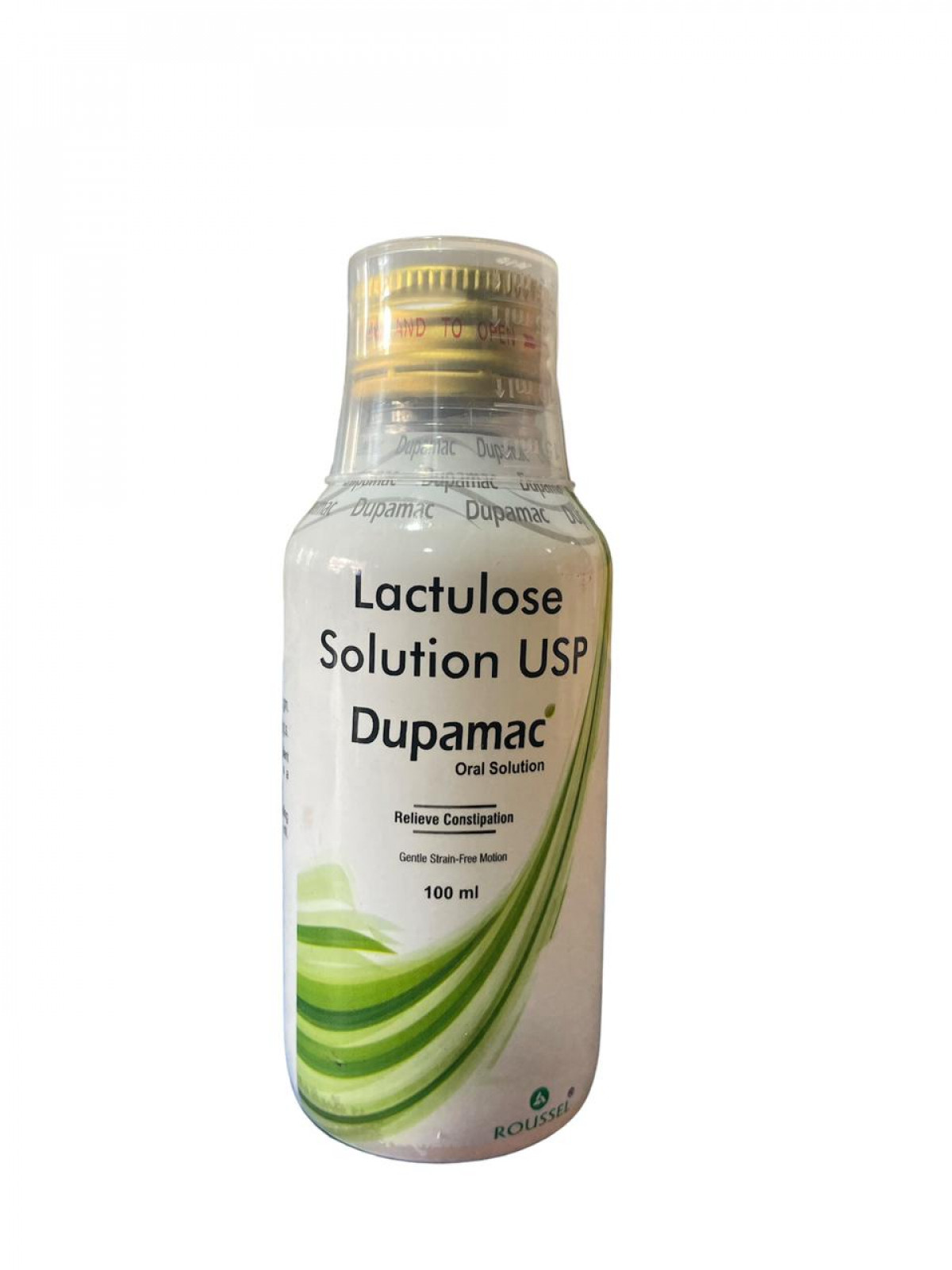
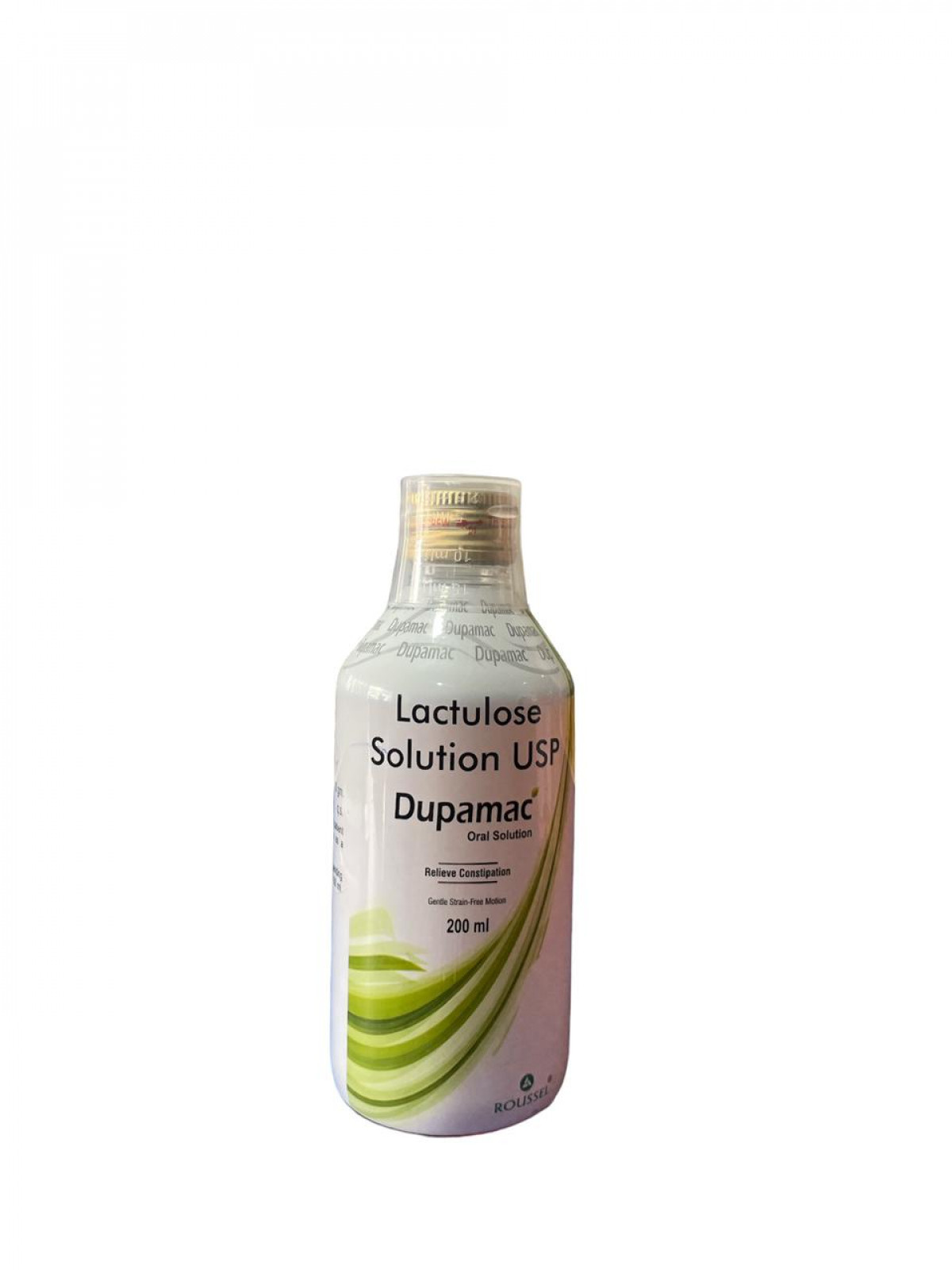
Uses / Indications:
1. Constipation
This product is designed to help with constipation that happens sometimes or all the time.
It aids in softening the stool and facilitates its passage through the bowels.
2. Hepatic Encephalopathy
Used to reduce blood ammonia levels to stop and treat disorientation or coma induced by liver failure.
3. Keeping the bowels in check
Helps older people or people who have just had surgery keep their bowels working normally.
Pregnancy interaction:
Generally considered safe during most of pregnancy: ✅
More information:
Lactulose does not get into the bloodstream; thus, it does not hurt the baby.
When diet and fluids aren't enough, it is often given to pregnant women who are constipated.
Advice:
Use only under the care of a doctor.
Stay hydrated when using.
Expert advice:
While using lactulose, make sure to drink a lot of water (6 to 8 glasses a day).
It could take up to 48 hours for it to work completely.
Don't use other laxatives at the same time unless your doctor tells you to.
For hepatic encephalopathy, take the exact amount that was advised and don't stop suddenly.
Long-term use could cause an imbalance in electrolytes; therefore, you may need to check them from time to time.
Side Effects:
Many times:
Bloating or pains in the stomach
Gas (flatulence)
Feeling sick
Diarrhea (if you take too much)
Not as Common:
Throwing up
Problems with electrolytes (with long-term use)
Thirstier
Very serious (rare):
Severe diarrhea that causes dehydration
Weak muscles (because of low amounts of sodium and potassium)
How to use:
Dosage: As your doctor tells you to take it (typically 10–30 ml a day for constipation).
You can take it once or twice a day.
You can mix it with juice, water, or milk to make it taste better.
Before using, shake the bottle well.
Use the measuring cup or spoon that came with it to measure.
Don't take more than the suggested dose; too much can cause diarrhea and dehydration.
How it works:
Lactulose is a man-made sugar that goes into the colon without changing.
Gut bacteria break it down into organic acids in the colon.
These acids pull water into the colon, which makes the stool softer and encourages bowel movement.
In hepatic encephalopathy, it helps by lowering blood ammonia levels by stopping the intestines from absorbing ammonia.
Faq for medicine:
1. What is lactulose used for?
It treats constipation and hepatic encephalopathy, a liver-related brain disease.
2. How long does it take to work?
It usually takes 24 to 48 hours to have a bowel movement.
3. Is it okay to take lactulose every day?
Yes, but only as directed. It is not a beneficial idea to use this for a long time without talking to a doctor.
4. What should I do if I forget to take a dose?
As soon as you recall, take it.
If it's nearly time for your next dose, please skip the missed one. Don't do it twice.
5. Is it okay to take lactulose with food?
Yes, you can take it with or without food. Drinking it with water or juice may make it taste better and be easier to handle.
6. Does lactulose make you want to do it again?
No, it doesn't make you addicted, but don't use it too much because it can induce an electrolyte imbalance.
Medicine interaction:
Use with caution when you take it with:
Antacids (may make Lactulose less effective)
Other laxatives may increase the risk of dehydration.
Antibiotics (such as neomycin and metronidazole) may make liver disease less effective at lowering ammonia levels.
Interactions with food:
No major interactions with food.
For the best outcomes, eat a lot of fiber and drink enough water.