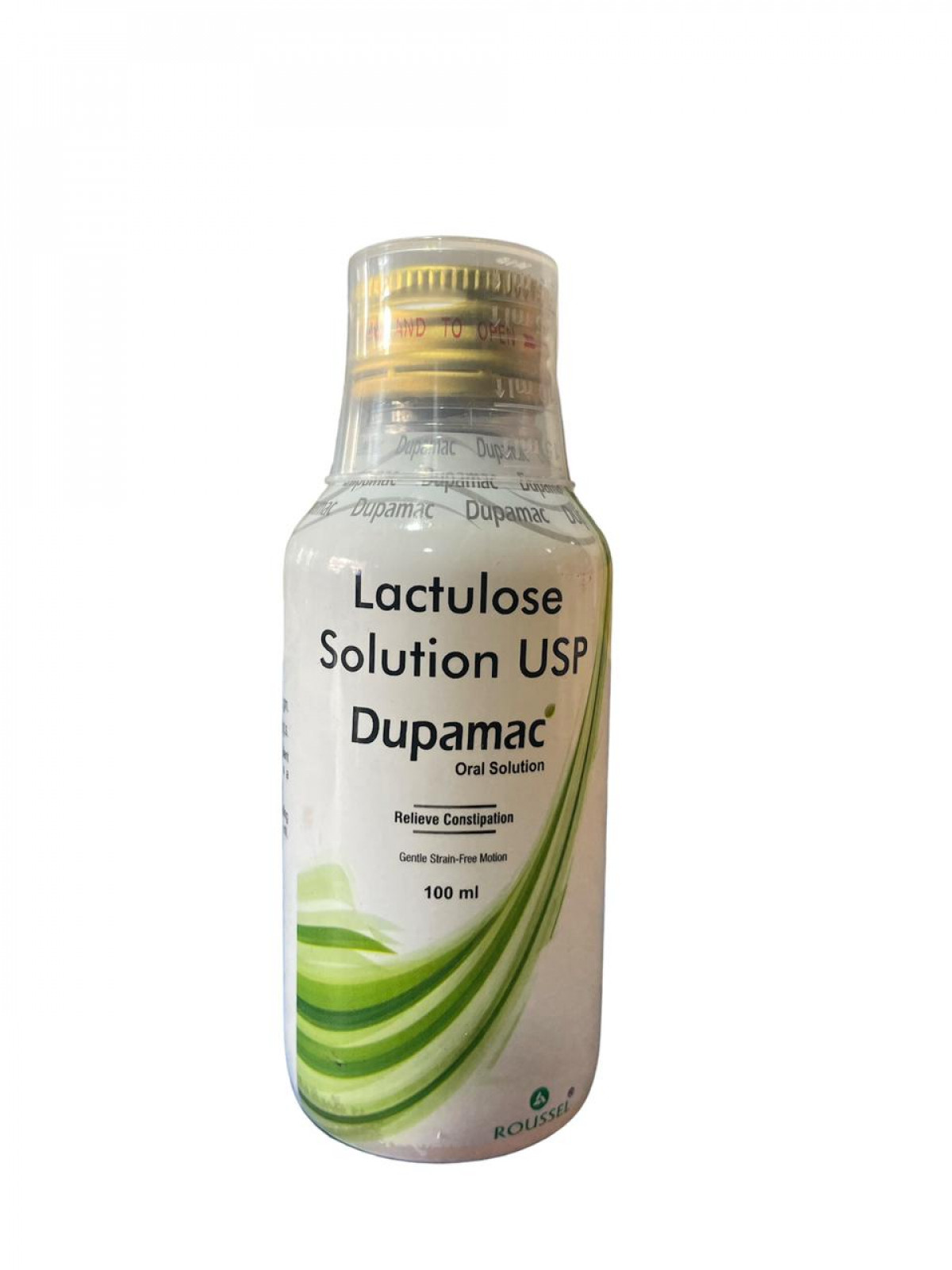
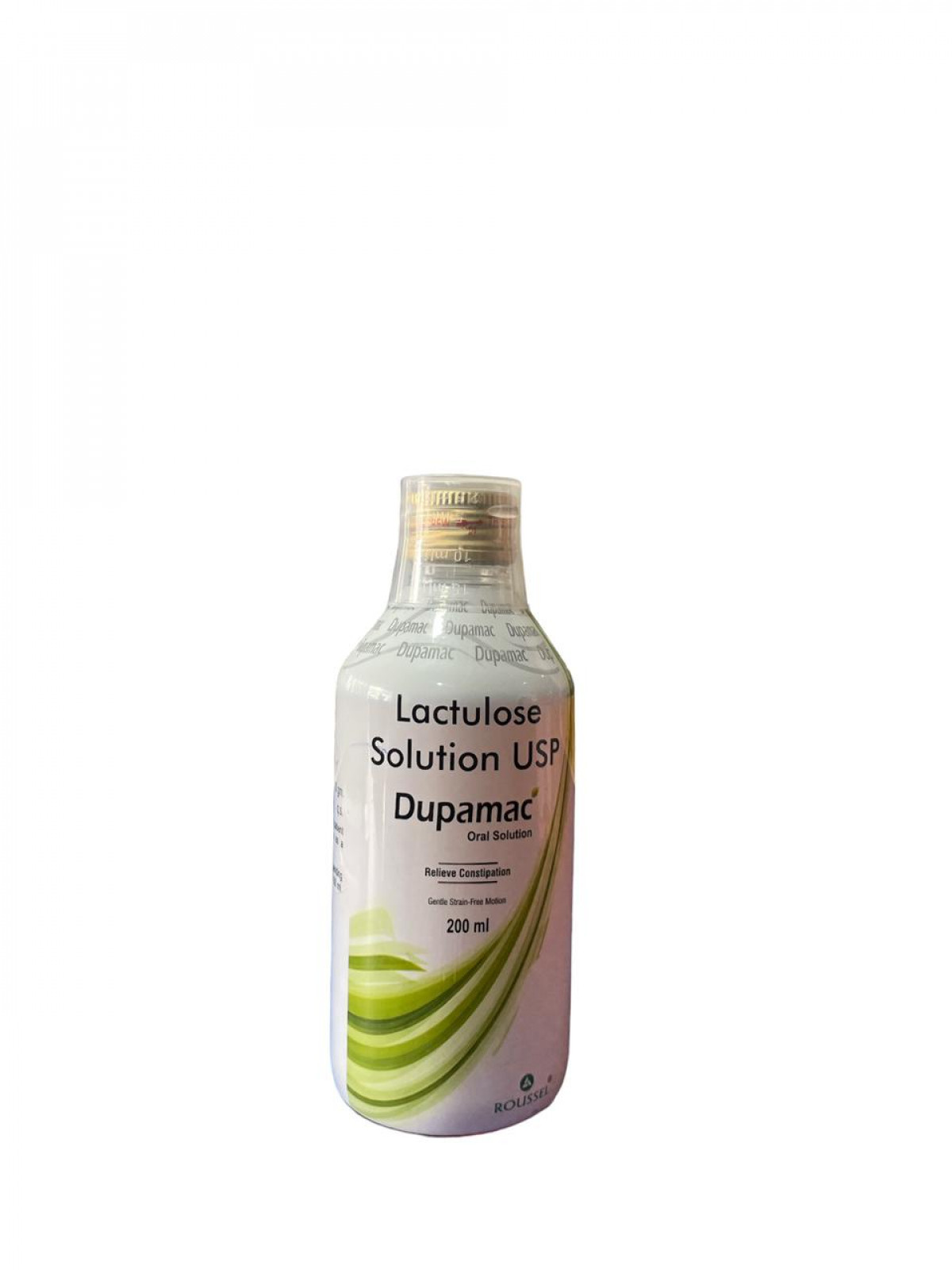
Uses / Indications:
Constipation (either long-term or short-term)
Hepatic encephalopathy (lowering the amount of ammonia in the blood)
Soften the stool of those who have hemorrhoids, anal fissures, or who have had rectal surgery
Pregnancy interaction:
It is thought that Duphalac Oral Solution is safe to use when pregnant.
It doesn't get into the bloodstream too much, thus it doesn't directly impact the fetus.
Often suggested for pregnant women who are constipated, especially when dietary changes don't work.
Avoid taking too much because it can cause diarrhea and dehydration, which can be bad for the health of both the mother and the baby.
Always use under the care of a doctor.
Expert advice:
While taking this medicine, drink a lot of water (6 to 8 glasses a day).
Don't take more than the recommended amount; it could induce diarrhea and an imbalance in electrolytes.
See your doctor if you haven't had a bowel movement in 2–3 days.
If you have liver problems, don't discontinue taking lactulose without talking to your doctor first.
Do not freeze or refrigerate syrup; instead, keep it at room temperature
Side Effects:
Normal:
Gas and bloating
Cramps in the stomach
Feeling sick
Diarrhea or loose stools
Very serious (rare):
Severe diarrhea that causes dehydration and an imbalance of electrolytes (low sodium and potassium)
An allergic reaction can cause a rash, swelling, itching, and trouble breathing.
How to use:
Use the measuring cup or spoon that comes with it to take it by mouth.
You can take it with or without food.
Adding water, fruit juice, or milk can make the taste better.
Take it at the same time every day for the same result.
If you have liver illness, don't quit suddenly without talking to a doctor.
How it works:
Lactulose is a man-made disaccharide (sugar) that the small intestine does not break down.
Gut bacteria break it down into organic acids in the colon.
These acids:
Draw water into the bowel to make feces softer and get the bowel moving (this helps with constipation).
Change ammonia into ammonium ions, which are held in the colon and then released. This decreases blood ammonia, which helps in hepatic encephalopathy.
Faq for medicine:
What is Duphalac Oral Solution used for?
It is mostly used to treat constipation and hepatic encephalopathy, which is a consequence of liver illness that happens when there is too much ammonia in the body.
Q2: How long does it take to get results?
Usually, relief from constipation happens in 24 to 48 hours.
Q3: Is it safe for kids to use Duphalac Oral Solution?
Yes, doctors often give it to kids, but they change the dose.
Q4: Does Duphalac Oral Solution make you addicted?
No, it doesn't make you want to do it again like stimulant laxatives do.
Q5: Is it safe for people with diabetes to use Duphalac Oral Solution?
Yes, however since it has a little bit of sugar in it, people with diabetes should keep an eye on their blood sugar.
Medicine interaction:
Antacids: Might make it less effective.
Broad-spectrum antibiotics (such neomycin) change the microorganisms in the gut, which makes hepatic encephalopathy less effective.
Other laxatives: May raise the risk of dehydration and an imbalance of electrolytes.
Diuretics with corticosteroids: You are more likely to have low potassium and sodium levels.