


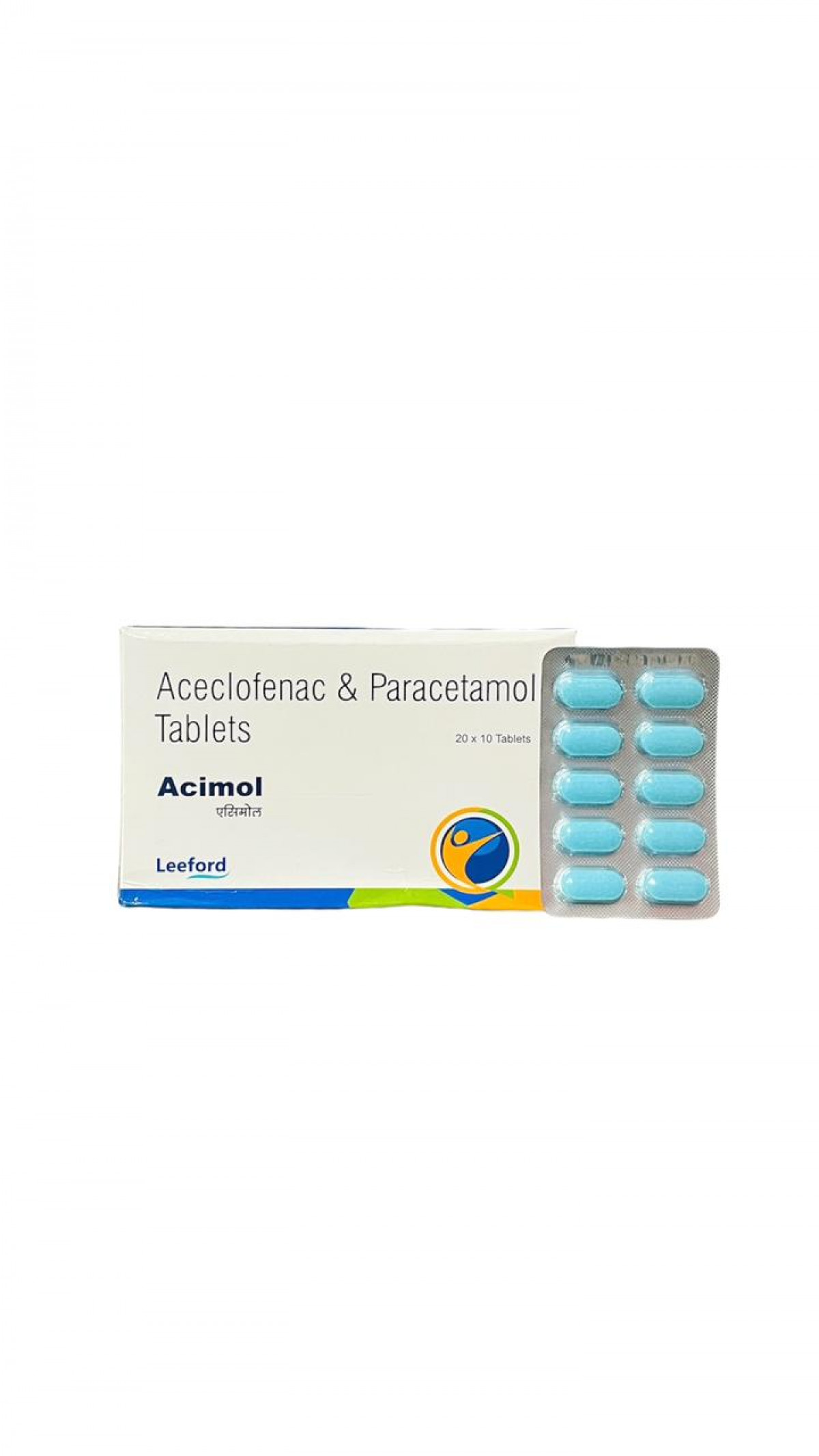
ACIMOL Tablet
Manufactured By Leeford Healthcare
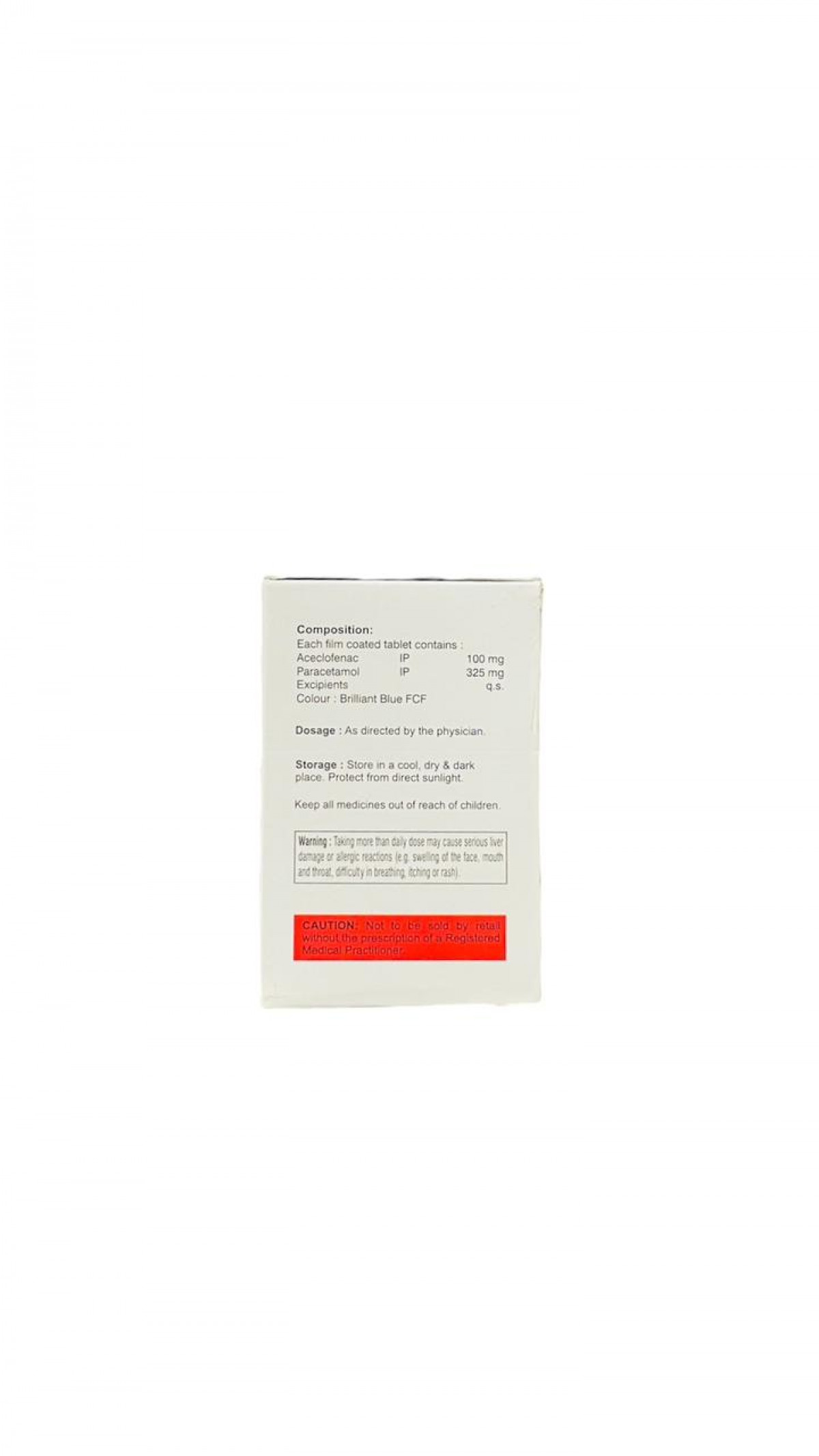
Composition Aceclofenac 100 mg & Paracetamol 325 mg (Blister)
Rs 17.50
MRP Rs 35.00
(50% OFF)
Includes all taxes
Package SIZE
( 1x10 TABLETS )

100% Authentic
Products

Free
Shipping*

Products
Return Policy
Description:
Pregnancy interaction
- Only use ACIMOL Tablet when your doctor tells you to during pregnancy. It is not a good idea to use aceclofenac (an NSAID) in the third trimester because it could hurt the baby's heart and kidneys and make labor take longer.
- Use only if the possible advantages are greater than the dangers in the first and second trimesters.
- Breastfeeding: Small doses of paracetamol may go into breast milk, although they are usually safe. Aceclofenac, on the other hand, may need to be used with caution.
- If you are pregnant, trying to get pregnant, or breastfeeding, you should always talk to your doctor before taking this medicine.
FAQs for Medicine
1. What is the purpose of the ACIMOL tablet?
It helps with pain and swelling caused by osteoarthritis, rheumatoid arthritis, spondylitis, back pain, toothache, and musculoskeletal pain.
2. Is it okay to take an ACIMOL tablet on an empty stomach?
It is best to take it after meals to avoid upsetting your stomach.
3. Can I use ACIMOL Tablet for a long time?
If you have to use it for a long time or all the time, you should talk to your doctor first because it could hurt your liver, kidneys, or stomach.
4. Is it okay to drink alcohol while taking ACIMOL tablets?
No, mixing alcohol with this drug raises the risk of liver damage and stomach hemorrhage.
5. Is it okay to take ACIMOL with other painkillers?
Don't take this with other NSAIDs or medicines that contain paracetamol to avoid an overdose or negative effects.
Expert advice
- Take this drug exactly as directed; don't take more than the suggested amount.
- Don't drink or smoke while you're taking the course to lower your chance of liver and stomach problems.
- Tell your doctor right away if you feel very tired, have dark urine, or your eyes or skin turn yellow.
- Tell your doctor before using this if you have ever had stomach ulcers, heart illness, or liver or kidney problems.
- If you get severe stomach discomfort or vomiting, stop taking the drug and see your doctor.
Side effects
- Feeling sick or throwing up
- Stomach pain or indigestion
- Headache or dizziness
- Diarrhea or constipation
Serious yet uncommon adverse effects:
- Bleeding or ulceration in the stomach or intestines
- Hepatitis or high liver enzymes
- Skin reactions that are allergic (rash, itching, swelling)
- Breathing problems (extremely rare)
- If you have a strong allergic reaction or stomach pain that won't go away, get medical care right away.
How It Works
- Aceclofenac (100 mg) is a non-steroidal anti-inflammatory medicine (NSAID) that stops cyclooxygenase (COX) enzymes from working, which lowers the amount of prostaglandins made. Prostaglandins are molecules that cause pain, swelling, and inflammation.
- Paracetamol (325 mg): Works on the brain's temperature-control region to help with pain and lower fever. It also stops the body from making more prostaglandins.
- Together, they work better to relieve pain and inflammation faster and with fewer side effects.
Medicine interaction
- Blood thinners, such as warfarin and aspirin, may make bleeding more likely.
- Other NSAIDs or medications could hurt your stomach or kidneys.
- Antihypertensives (ACE inhibitors, diuretics)—may make them less effective or make kidney adverse effects worse.
- Corticosteroids raise the risk of getting stomach ulcers.
- Antibiotics such as rifampicin or isoniazid increase the risk of liver damage.
- Methotrexate or lithium: the risk of toxicity may go up.
- Don't use medications that contain aceclofenac or paracetamol at the same time as other drugs.
How to Use
- Dosage: Usually, you should take one pill twice a day, or as your doctor says.
- How to take: After eating, swallow whole with a glass of water.
- Do not break, chew, or crush the tablet.
- Don't take more than the recommended amount or use it for more than a few days without talking to your doctor.
- If you forget to take a dose, take it as soon as you can, but avoid it if it's close to the following dose.
Uses/indications
- Osteoarthritis
- Rheumatoid arthritis
- Ankylosing spondylitis
- Pain and sprains in the muscles
- Pain in the teeth and mouth
- Migraine and headache
- Pain after surgery
- Cramps during your period