


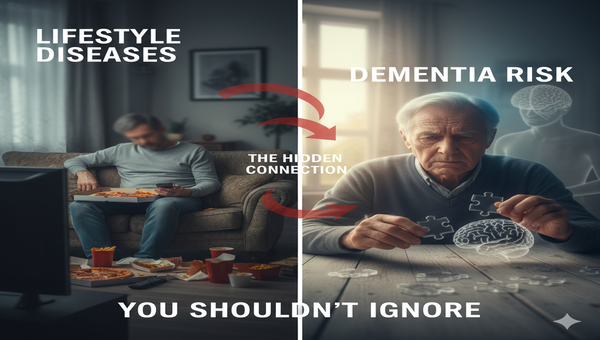




Lifestyle Diseases & Dementia Risk: The Hidden Connection You Shouldn’t Ignore
Sep 22, 2025
Lifestyle Diseases & Dementia Risk: The Hidden Connection You Shouldn’t Ignore
In recent years, lifestyle diseases like diabetes, hypertension, and obesity have become increasingly common due to sedentary living, poor diet, and stress. While most people associate these conditions with heart disease or kidney issues, emerging research shows a strong link between lifestyle disorders and dementia, including Alzheimer’s disease.
Understanding this connection is critical — because what we do today with our diet, activity, and habits can directly impact our brain health in the future.
What Are Lifestyle Diseases?
Lifestyle diseases are health conditions caused by unhealthy daily choices and habits. Common examples include:
-
Type 2 Diabetes – linked to poor diet and inactivity
-
Hypertension (High Blood Pressure) – caused by stress, obesity, and excess salt intake
-
Obesity – a result of overeating and lack of exercise
-
Cardiovascular Disease – heart conditions caused by poor lifestyle choices
These diseases are preventable — but when left uncontrolled, they increase the risk of cognitive decline.
How Do Lifestyle Diseases Affect Brain Health?
-
Diabetes and Dementia
-
High blood sugar damages brain blood vessels
-
Reduces oxygen supply to brain cells
-
Increases risk of Alzheimer’s (sometimes called “Type 3 Diabetes”)
-
-
Hypertension and Dementia
-
Persistent high blood pressure causes strokes and mini-strokes
-
Leads to vascular dementia, a memory disorder caused by reduced blood flow to the brain
-
-
Obesity and Dementia
-
Excess fat produces inflammation and hormonal imbalances
-
Inflammation accelerates brain cell aging and memory decline
-
-
Sedentary Lifestyle
-
Lack of physical activity reduces blood circulation
-
Brain receives less oxygen and nutrients, speeding up cognitive decline
-
Early Warning Signs of Dementia
-
Frequent forgetfulness that disrupts daily life
-
Difficulty in planning, organizing, or solving problems
-
Confusion about time, date, or place
-
Trouble finding words during conversations
-
Sudden mood swings, irritability, or depression
How to Lower Your Risk
The good news is, healthy lifestyle choices can reduce the risk of dementia. Here are some proven strategies:
✅ Eat a brain-friendly diet – fruits, vegetables, nuts, seeds, whole grains, fish rich in omega-3, and less processed food.
✅ Stay physically active – aim for 30–45 minutes of exercise at least 5 times a week.
✅ Control blood sugar and blood pressure – regular checkups and medication if needed.
✅ Get quality sleep – 7–8 hours per night for brain repair and recovery.
✅ Challenge your brain – read books, play puzzles, learn new skills, or practice a hobby.
✅ Avoid smoking and excess alcohol – both directly harm brain cells.
Final Thoughts
Lifestyle diseases are not just about heart, kidneys, or weight — they also silently impact brain health. Dementia is often thought of as an inevitable part of aging, but in reality, it’s deeply connected to the way we live our lives.
By adopting healthier habits today, we can lower the risk of dementia tomorrow. Protecting your brain starts with protecting your body.
Recent Post

Mediscount's Guide to Better Digestion Online for Gut Health
Type 2 Diabetes Online: Early Warning Signs + Prevention Guide

High Blood Pressure – How to Lower It Naturally | Mediscount

How to Lose Weight Safely and Naturally: A Complete Guide by Mediscount

Top 10 Pain Relief Gels for Instant Relief from Muscle and Joint Pain

Top 10 Benefits of Creatine Monohydrate for Fitness and Brain Health

The Right Way to Take Creatine: Loading, Maintenance & Daily Usage Explained

Creatine Monohydrate: The Ultimate Workout Supplement for Strength and Performance

Power of Nature: A Complete Herbal Hair Oil Blend for Stronger, Healthier Hair

Daily Multivitamins, Multiminerals, and Antioxidants: The Foundation of Everyday Wellness